Unraveling the historical evolution of gambling practices across cultures
Ancient Origins of Gambling
The origins of gambling can be traced back thousands of years, with evidence suggesting that various forms of wagering were common in ancient civilizations. Archaeological findings indicate that the ancient Chinese were playing games of chance as early as 2300 BC, using rudimentary dice made from animal bones. Similarly, artifacts from Mesopotamia, including dice and betting tokens, reveal that these early cultures had established betting practices that not only served as entertainment but also as a means of social interaction. Today, many enthusiasts turn to games like plinko real money for similar excitement.
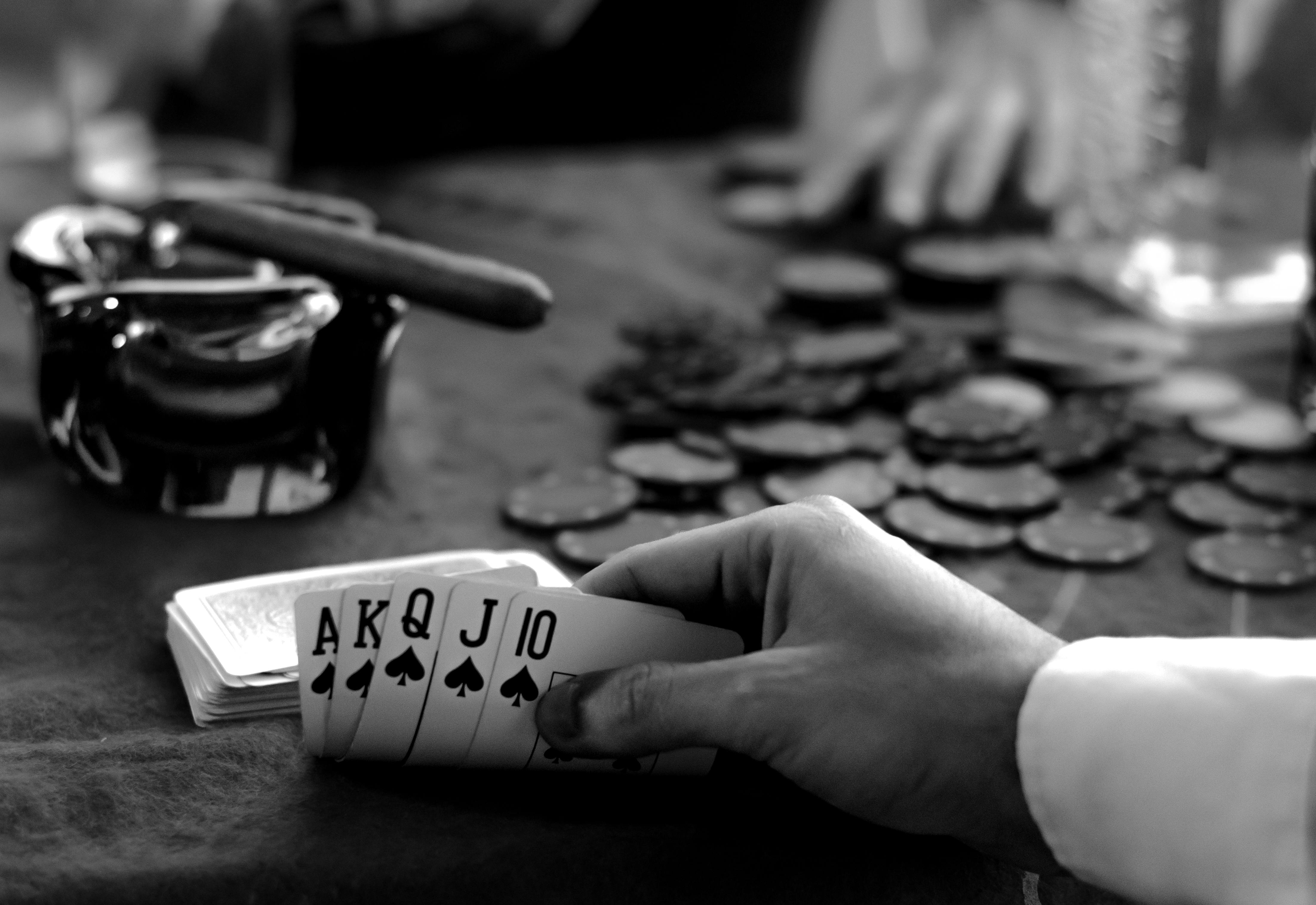
In ancient Rome, gambling took on a more structured form, with organized games and gambling houses emerging. Romans enjoyed betting on various events, from gladiatorial contests to chariot races. The presence of gambling was so widespread that authorities frequently intervened, attempting to regulate and control the growing popularity. This historical context laid the groundwork for future gambling practices, illustrating how cultural attitudes towards risk and chance shaped gambling in diverse societies.
Moreover, in India, historical texts hint at the existence of gambling games like Pachisi, played with cowrie shells and a board. This game not only provided amusement but also influenced social customs and rituals. The convergence of these various practices across ancient cultures underscores the inherent human fascination with chance and risk-taking that continues to this day.
The Evolution Through the Middle Ages
As civilizations advanced, so did gambling practices, particularly during the Middle Ages. This period saw a notable shift in the perception of gambling, with religious doctrines often condemning the act as sinful. Despite this, games of chance flourished in various forms, often linked to local festivals and celebrations. For instance, in England, the popularity of betting on events grew, alongside the establishment of official lotteries to fund public projects, highlighting the dual nature of gambling as both a social pastime and a financial tool.
In France, the development of games such as faro and roulette during the 17th century marked a significant turning point. The aristocracy embraced these games in lavish gambling halls, which became social hubs of the elite. This evolution also influenced gambling etiquette, establishing norms that would govern behavior in future gaming environments. While the Church often sought to curb gambling’s popularity, it remained deeply embedded in cultural practices across Europe, showcasing the complex relationship between morality and amusement.
By the late Middle Ages, gambling had become more regulated in various regions, with the emergence of official gambling establishments, such as casinos. These venues catered to the wealthy, creating a distinct class of gamblers and further cementing gambling as a cultural staple. The enduring fascination with chance and luck continued to thrive, revealing the adaptability of gambling practices to societal changes and challenges.
Gambling in the Age of Exploration
The Age of Exploration introduced new cultures and ideas to different parts of the world, leading to the globalization of gambling practices. As European explorers traveled to the Americas, they encountered indigenous games and betting customs, which were often deeply rooted in local traditions. This exchange resulted in a fusion of gambling practices, with European settlers incorporating indigenous games into their leisure activities. For example, the Native American game of stickball inspired variations of betting games among European settlers.
During this time, the rise of colonialism led to the establishment of casinos in various regions, notably in the Caribbean and South America. The introduction of card games, such as poker and blackjack, also became widespread as these games migrated alongside colonizers. These games not only entertained but also served as a means of social bonding, reflecting the diverse influences of different cultures on gambling practices.
The impact of colonial expansion on gambling extended beyond mere entertainment; it also significantly altered local economies and social structures. The establishment of gambling houses and betting on local events created new economic opportunities while simultaneously leading to social tensions. This complex interplay of cultures and practices illustrates how gambling evolved in response to the dynamics of colonization and cultural exchange, shaping modern gambling as we know it today.
Modern Gambling: Regulation and Innovation
The modern era has witnessed a remarkable transformation in gambling practices, propelled by technological advancements and shifting social attitudes. The emergence of online gambling platforms has revolutionized the industry, allowing individuals to access a plethora of betting options from the comfort of their homes. This transition not only democratized access to gambling but also raised new questions about regulation, addiction, and responsible gaming practices.
Many countries have responded to the rise of online gambling by developing comprehensive regulations to ensure consumer protection and fair play. In jurisdictions like the United Kingdom, regulatory bodies oversee online casinos and betting operations, setting standards that safeguard players. This modern regulatory framework reflects a growing recognition of gambling as a legitimate form of entertainment, balancing the interests of operators and players alike.
Additionally, innovations such as mobile gaming applications and live dealer options have enhanced the gambling experience, making it more immersive and interactive. These advancements cater to a younger, tech-savvy demographic while maintaining engagement for traditional players. The evolution of gambling in the modern context underscores its adaptability and resilience, illustrating how cultural attitudes continue to shape the landscape of gaming and wagering today.
The Future of Gambling Practices
As gambling practices continue to evolve, the future is likely to witness further innovation and regulation. The integration of artificial intelligence and virtual reality could reshape how players experience gambling, providing more immersive environments that mimic physical casinos. This technological evolution may attract a broader audience, enticing those who may have previously been hesitant to engage in traditional gambling.
Moreover, societal attitudes towards gambling are evolving, with an increasing acceptance of its role as a form of entertainment rather than solely a vice. This shift may lead to more comprehensive regulatory frameworks that prioritize player safety and responsible gambling initiatives. As communities become more aware of the potential risks associated with gambling, educational programs and support systems could play a pivotal role in promoting healthy gambling habits.
Ultimately, the historical evolution of gambling practices reflects humanity’s enduring fascination with risk and chance. As cultures continue to intersect and technology advances, the gambling landscape will undoubtedly transform, remaining an integral part of social interaction and cultural expression.
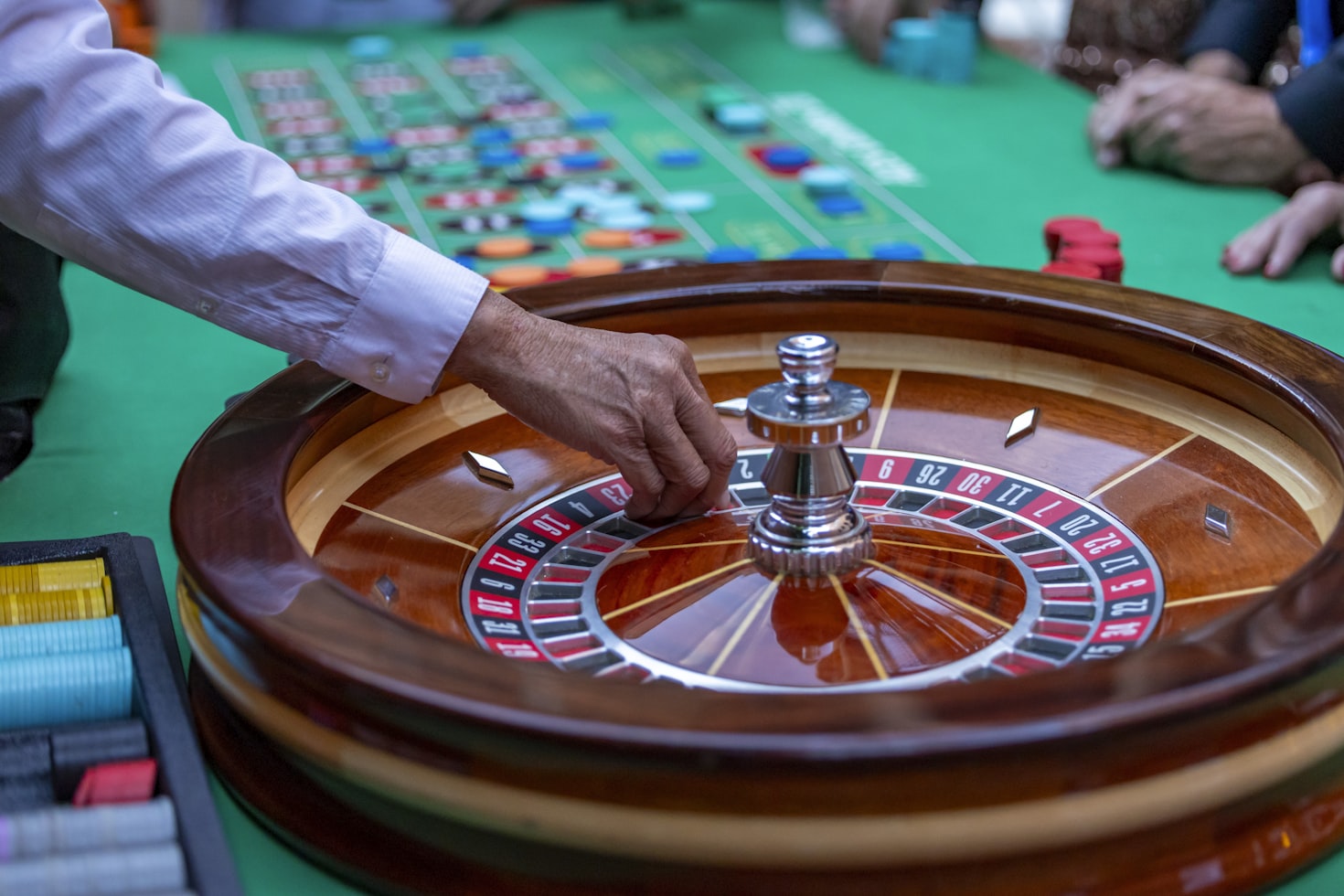
Explore the Thrilling World of Gambling
Whether you are a novice exploring the basics or a seasoned player seeking to refine your strategies, understanding the historical evolution of gambling practices provides valuable insights. Our dedicated website offers comprehensive resources on various games, including the popular game of Plinko, where you can delve into rules, strategies, and expert tips. With a focus on enhancing your gameplay experience, we ensure that you are well-equipped to navigate this exciting world.
As you explore our platform, you’ll discover a wealth of information tailored to both new and experienced players. From gameplay mechanics to advanced strategies, our goal is to elevate your understanding of gambling in all its forms. Join us today to experience the thrill of Plinko and other captivating games, and immerse yourself in a risk-based adventure that spans cultures and centuries.